Erik Brahe and the Law – the Effect of a New Paragraph
Count Erik Brahe – one of the owners of Skokloster – found himself in that very situation in 1756. His fate was determined by two things: a servant drinking too much and a law committee adding a paragraph to the Criminal Code almost thirty years earlier.
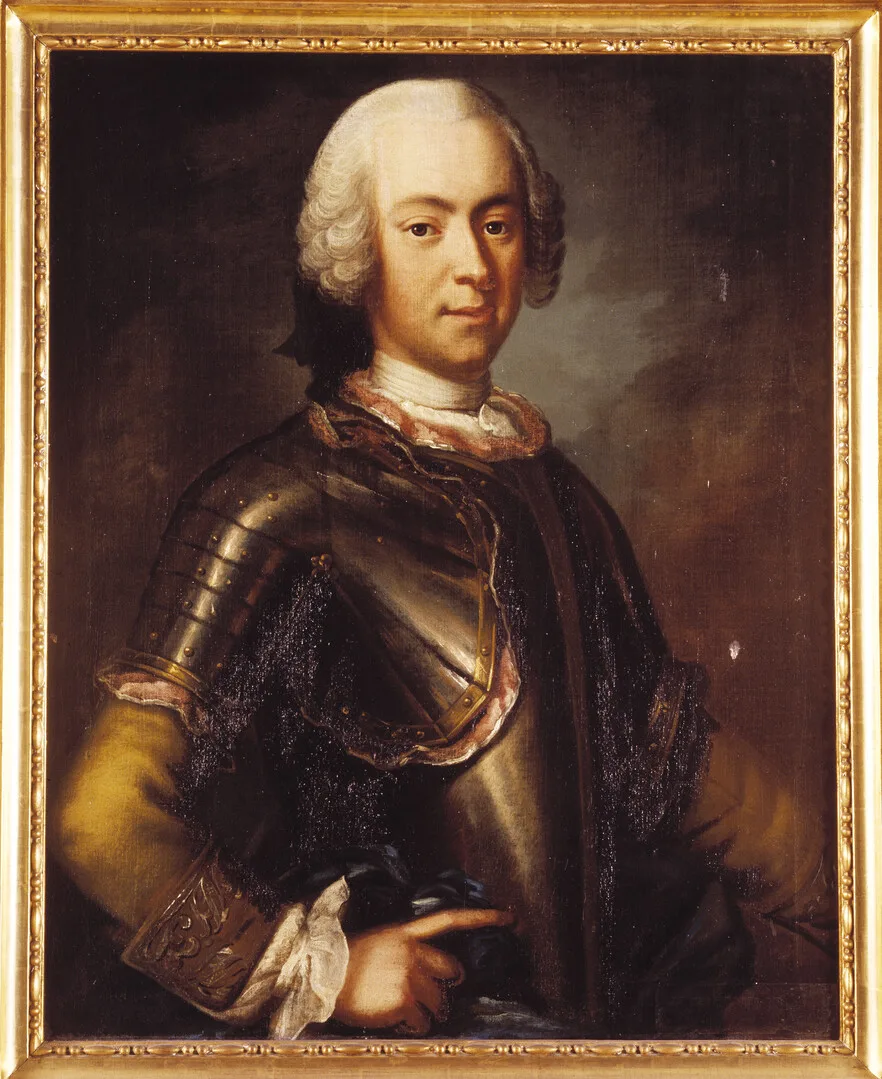
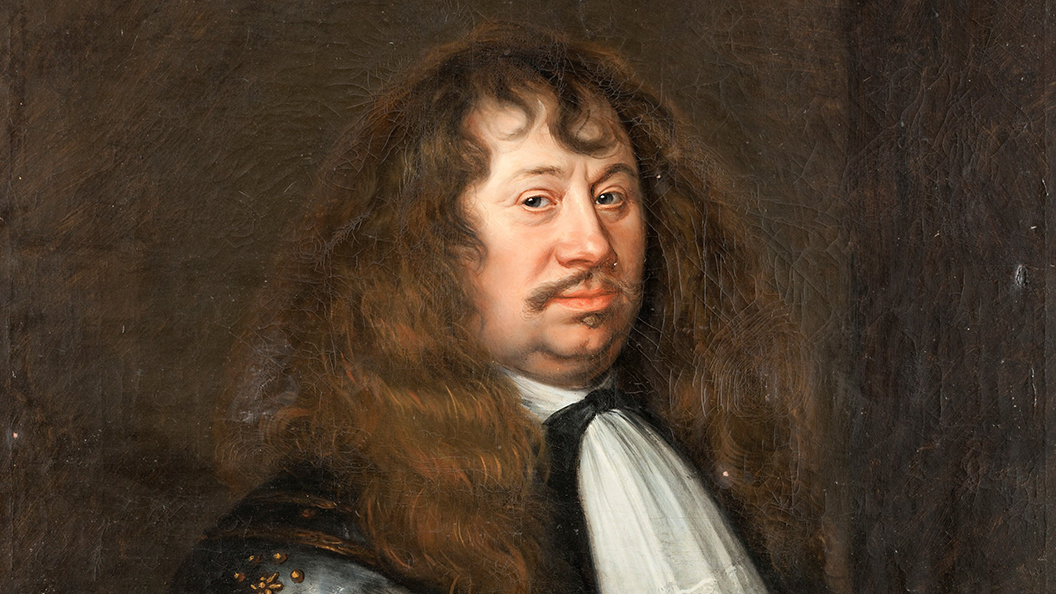
Erik Brahe
Portrait by Lorens Pasch the Elder, c 1750.
Throughout the centuries, Swedish lawmakers had tried to combine all the various regional laws into one common law for the entire country. A committee was almost constantly working on the problem. In the 1720s, the committee’s work was going on splendidly.
Some years before, when the autocratic King Karl XII had died in 1718 without a male heir, the Government of the Estates shifted power to their advantage. But they fully realised that future monarchs could try to retake power. The government therefore asked the law committee to add one paragraph to the chapter covering treason, chapter IV, §8:
Someone who attempts to, or who allows to be used as a means to, install, assist or promote an autocratic government in this Kingdom, or any other form of government other than the one determined by the Estates, will be punished as a traitor of the Realm and loose life, honour and all worldly goods.
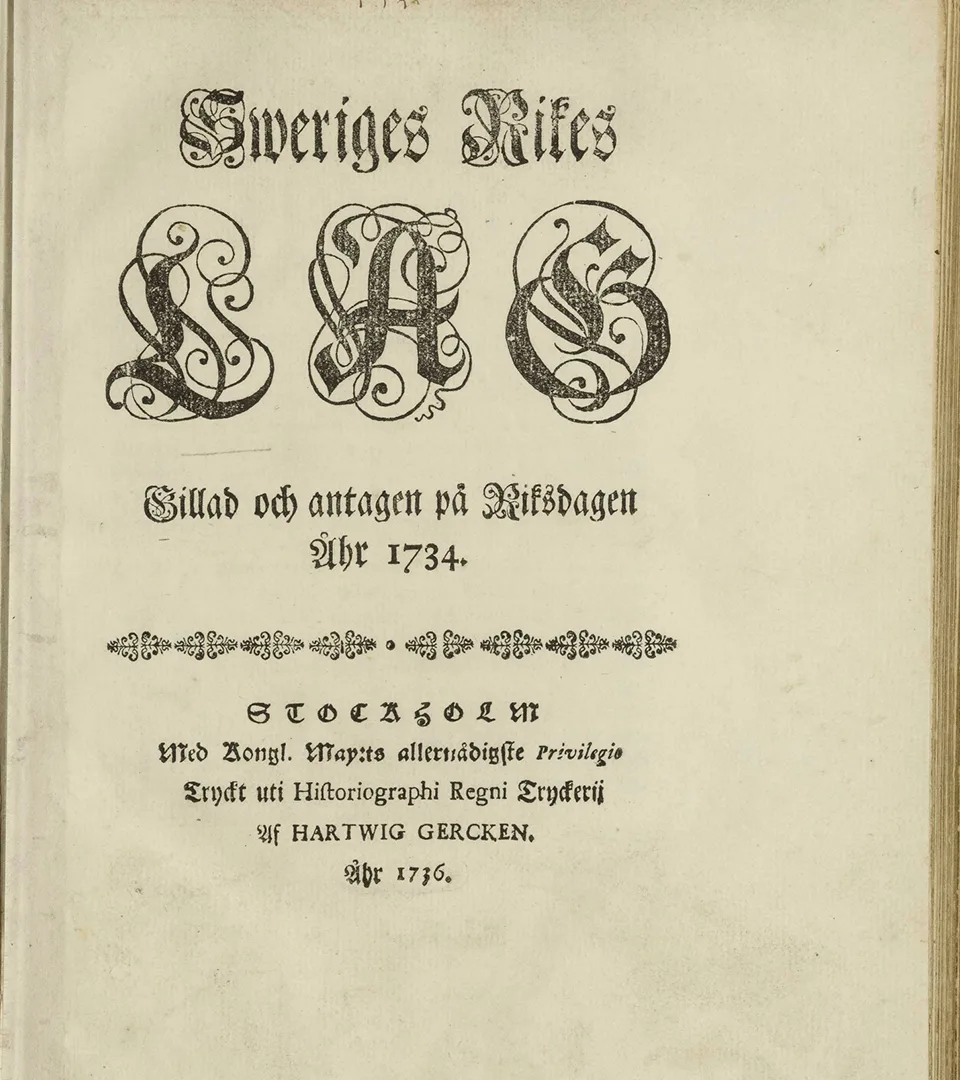
The unified law-book was published in 1734 and used throughout the country. Until then, only acts against King or Country had been considered treason. Now, the law included treason against the government.
Twenty-two years later the newspaper Posttidningar wrote a short but jubilant notice from Stockholm:
Relying on specific information a dangerous plot, aimed at changing the lawful government of the Realm and disturbance of the well-earned freedom of the Estates, was uncovered the day before yesterday. (24 June 1756)
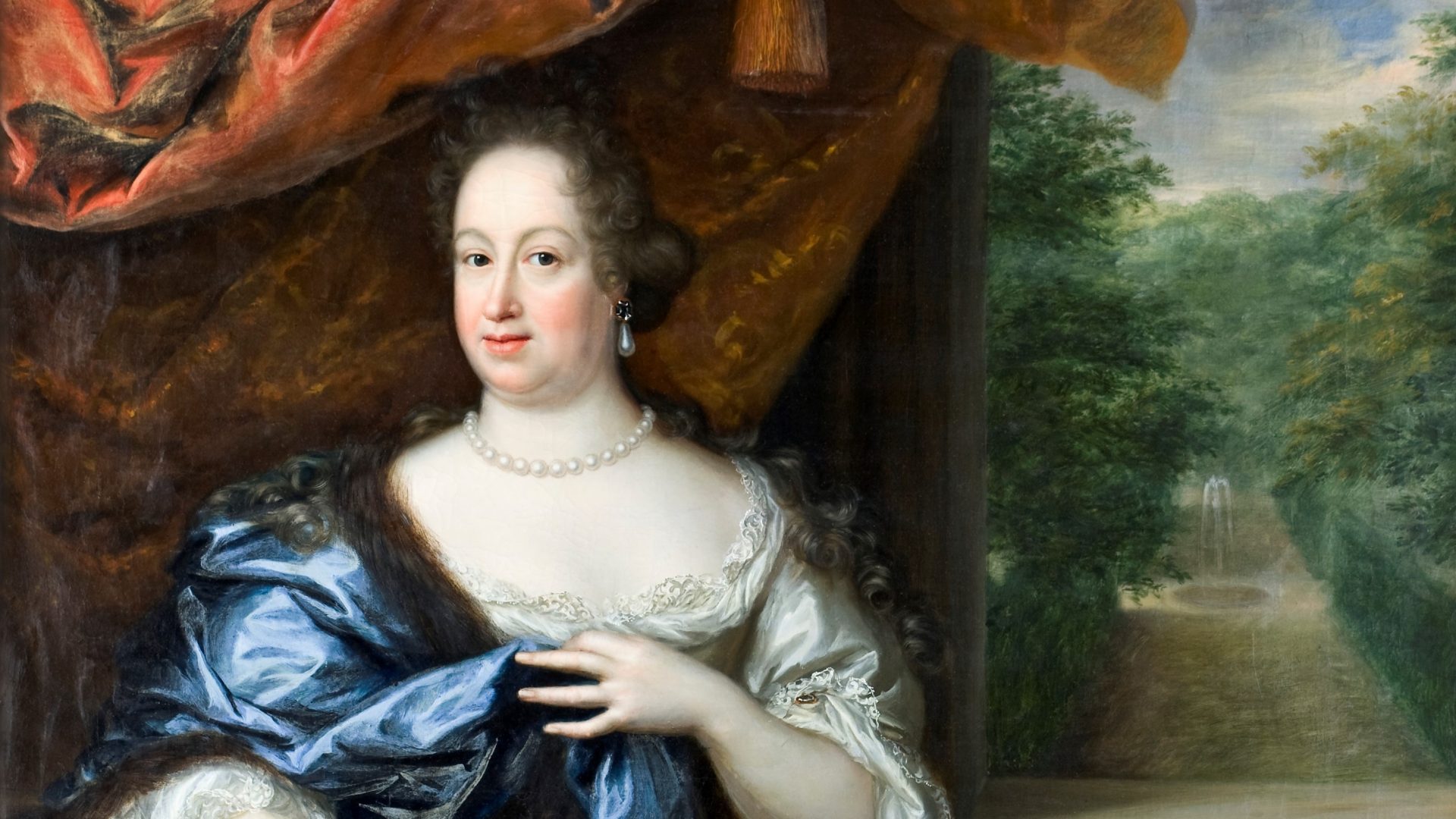
The “specific information” came from a landlord who drank too much, Carl Ernst Angel, commonly called Footman Ernst. He had previously been one of the Queen’s footmen and was party to the Queen's conspiracy to install autoctraty. Instilled with Dutch courage on Midsummer’s night he wanted to do his bit, to rise a mob and march towards the palace.
His action was a bit premature, however. The leaders of the coup, which included the Queen and some of her favourites, had got cold feet and poor finances. They were also severely hampered by King Adolf Fredrik, who did not want to participate. The King feigned illness which hindered the Queen to go ahead with her plans.
Because of Footman Ernst, the plot was uncovered, and its instigators arrested. Apart from the Queen, of course.
Four days after the foiled attempt thanksgiving was held in the town’s churches “to praise the Almighty’s providence and protection that uncovered the godless attempt to an uprising the day before Midsummer.” (Posttidningar, 28 June 1756.)
Nothing concerning the coup, or who was involved, reached the public’s ears to begin with. The newspapers were silent, apart from noting the fact that a plot had been uncovered. It was unthinkable to reveal the Queen’s involvement. It would have jeopardised the monarchy and the country’s stability.
The court hearings had the intent to deliver the punishment, in all severity the Law prescribed, to the guilty, regardless of their standing. One name was avoided, of course, although implied; Court protocols mention “a certain High Person” that had criticised the government.
The judgement was hard. Four noblemen were executed, among them the highest ranking noble in the Kingdom: Erik Brahe. They were beheaded the day before the Queen’s birthday. The Queen “took the pleasure to travel to Drottningholm to dine” instead of looking at the event. (Posttidningar 1756-07-26)

Cufflinks
Cufflinks of gold. According to tradition worn by Erik Brahe at the time of his execution 1756.
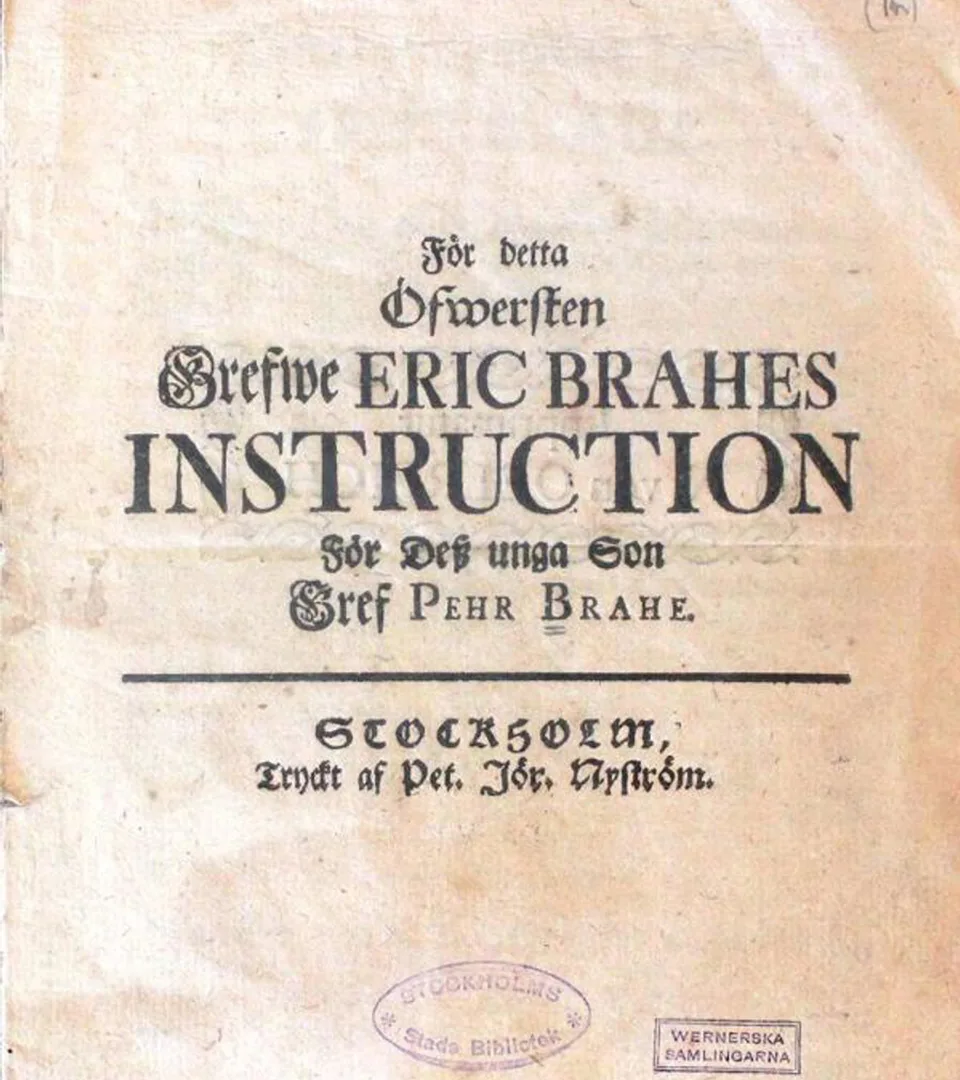
Before committing himself to the sword Count Eric Brahe wrote a short instruction to his young son. The instruction was also printed. It included a warning:
Take care of Liberty and Law, honour the King, but do not seek the confidence of the authorities, and remember that your father was the only one in the family who, with all human contempt for favouritism, nevertheless, to his misfortune, fell on the slippery steps of court, only because he forgot God's guiding hand.